About Me

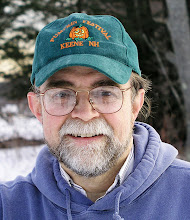
My photo
Spofford, New Hampshire, United States
Jeff Newcomer had been a physician practicing in New Hampshire and Vermont for over 30 years. Over that time, as a member of the Conservation Commission in his home of Chesterfield New Hampshire, he has used his photography to promote the protection and appreciation of the town's wild lands. In recent years he has been transitioning his focus from medicine to photography, writing and teaching. Jeff enjoys photographing throughout New England, but has concentrated on the Monadnock Region and southern Vermont and has had a long term artistic relationship with Mount Monadnock. He is a featured artist in a number of local galleries and his work is often seen in regional print, web publications and in business installations throughout the country. For years Jeff has published a calendar celebrating the beauty of The New England country-side in all seasons. All of the proceeds from his New England Reflections Calendar have gone to support the Pulmonary Rehabilitation Program at the Cheshire Medical Center. Jeff has a strong commitment to sharing his excitement about the special beauty of our region and publishes a blog about photography in New England.
Showing posts with label Oak. Show all posts

Monday, November 5, 2018

Photographing Our Autumn Oaks


As our autumn is fading, we are sadly saying goodbye to the brilliant reds and gold of the Sugar Maples and happily goodbye to the hordes of “peepers” who congest our roads and then leave without offering to rake a single leaf.  Things are getting quiet, but before we descend to full November stick season, there is still much late season color to enjoy.  The Maples are spectacular, but delicate and short-lived.  This year we seem to be enjoying an especially lovely late foliage season and, as always, it is coming primarily from the long-lasting beech and the sturdy Oaks.


Beach Forest
The beeches display bright orange and gold. Over time the leaves mature to a rich brown, but when the Maple leaves are largely on the ground, the Beech are just reaching their peak.


I have previously sung the praises of the “Underappreciate Beech”, so this seems a good time to celebrate the wide variety of New England Oaks.  Oaks come in a wide variety, from low lying shrubs to majestic giants. 


Champion Red Oak
In Chesterfield’s Friedsam Town Forest we are blessed with the county champion Red Oak, nearly 100 feet tall and estimated to be over 300 years old.  Other varieties of Oaks include the White,  Pin, Black and the Swamp Oaks.  Their leaves vary widely in shape and in autumn color.  Oaks can have bright russet foliage, but they are known predominantly for earthy browns and rusty tones.  


Stickney Falls Autumn


Black Mountain Oak
All autumn colors become apparent only after the green of Chlorophyll has faded.  Maple leaves get their yellows from Carotene while their reds and oranges come from anthcyanins.  For Oaks, the distinctive brown color comes from Tannins.  Actually, Tannins cause the brown color that most leaves, including Maples, display after they have settled into the forest floor.


Over the last days I have been out looking for autumn Oaks and I have come to freshly appreciate the variety of photographic opportunities that they provide. 


The range of color in the leaves makes for attractive intimate tableaus especially when something of interest can be placed in the background. 


Frozen Floor


Whether frosted, frozen or lying in the grass, fallen Oak leaves can portray a sense of autumn’s end.


Because autumn Oak leaves tend to reach their color after most other leaves have fallen, their arrangements tend to stand out in greater relief, creating clearer patterns than are apparent in the masses of early foliage


A few years ago, I included Oak leaves in my back-lite Macro leafstudies.  The results showed the variety of shapes and the delicate quality of the “mighty” Oak leaves.


Of course, I still miss the amazing colors of that split-second of peak foliage, but there is much to enjoy in autumn’s prolonged mellow tail.  So, get out there and capture all the beauty that our Beeches and Oaks have to offer, before stick season fully descends.

Jeff Newcomer, NEPG
www.partridgebrookreflections.com


Sunday, November 4, 2012

Praise for the Under-Appreciated Beech


The Beech Take Command of Late Autumn, Chesterfield, New Hampshire
Persistence Counts

A few valiant Maples hang on
Ask most any fall foliage tourist and they will tell you that they have come to see
 the color, but in their minds eye they are seeing the Maples. Sure the early yellow
 of the birches and the later brown of the oaks can be lovely, but when it comes time to identify the iconic leaf of the season it is almost always the red and gold of our Maples. Who can argue, Maple trees in full display are spectacular, but they are also short lived and fragile. You have to be there at just the right time to catch the full show and the window of opportunity in any one place may last only a few days. As someone who is in it for the entire season, I would like to honor the tree which, although not the most spectacular, does more to extend the beauty of autumn in New England, the under-appreciated American Beech.
 

The Noble Beech

The American Beech is a native of the Eastern and Central United
Controversial Daniel Boone Carving.
I see 1776.
States extending from Florida to Nova Scotia. It is slow growing and can live for 300-500 years. The Beech is known for its smooth silvery bark which has for centuries provided a popular surface for name carvers seeking love or immortality. A Beech in Tennessee, dated at more than 500, years old, is thought by some historians
Beech Yellow and Brown
  to preserve a 1760 inscription by Daniel Boone. But this tree's value is much more than merely literary. Although Beech is difficult to split, its dense wood makes efficient burning fire wood. Beechnuts are an important source of food for many forest animals and it's trunk and branches provide homes for many creatures. Beyond all its other values, from a photographic perspective, the beech's greatest attribute is its persistence.


Hanging in There

Oak Leaves Hang on warmed by the Connecticut River
For me the American Beech is most notable for its ability to extend the foliage season. Its bright yellow leaves change late in the season and corageously cling to the branches well into the winter. 
Over time the leaves mature to a rich brown, but when the Maple leaves are largely on the ground, the Beech are just reaching their peak. There are other, late turning trees. Most notably, the Oaks are important contributors to late fall's evolution to earthy brown color, but they don't hang on like the Beech. 


Last weekend I was exploring the forest on the hills above Stonewall Farm and found myself surrounded by surprisingly brilliant yellow foliage, a few oak, but mostly the persistent Beech. It was an amazing display. I felt like I was transported back to peak foliage. In the winter, the Beech often provides a surprising splash of color decorating an otherwise black and white world.


Winter Color
Beech and Birch


So, as Autumn fades away, take a moment to honor the under-appreciated Beech. Without it, our fleeting New England Autumn would be just a little more fleeting and that is something we can do without.
As the winter progresses the Beech leave become thin and pale,
But STILL hang on!